
Diabetic Retinopathy: Causes, Symptoms, and Prevention
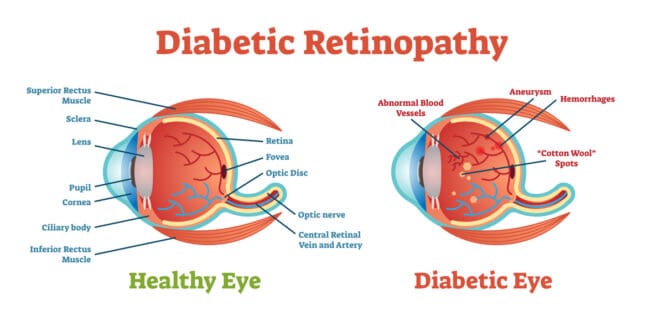
Diabetic retinopathy is a significant complication of diabetes that can lead to vision impairment and, in severe cases, blindness. It develops when high blood sugar levels cause damage to the tiny blood vessels in the retina, the light-sensitive tissue at the back of the eye that enables sight. This condition is a leading cause of vision loss among adults with diabetes, making it crucial to understand its causes, symptoms, and prevention strategies. With timely diagnosis and treatment, it is possible to minimize its impact and maintain healthy vision.
What is diabetic retinopathy disease?
Diabetic retinopathy is a progressive eye disease that results from prolonged damage to the retina’s blood vessels due to diabetes. Over time, elevated blood sugar levels weaken and deform these vessels, causing them to leak or become blocked. In advanced stages, new abnormal blood vessels may form, exacerbating the damage. The condition is common among people with diabetes and often goes undetected in its early stages. Without proper management, it can progress to severe vision loss or blindness.
Causes of Diabetic Retinopathy
The primary cause of diabetic retinopathy is uncontrolled diabetes, where high blood sugar levels damage the blood vessels in the retina. This damage leads to swelling, leakage, or the growth of new abnormal vessels, all of which impair vision. The risk increases with poorly managed diabetes, high blood pressure, and elevated cholesterol levels. Additionally, the longer a person has diabetes, the greater their likelihood of developing this eye disease. Lifestyle factors, such as smoking and physical inactivity, can also contribute to its progression.
Symptoms of Diabetic Retinopathy
In its early stages, diabetic retinopathy may not cause any noticeable symptoms, making regular eye exams essential. As the condition progresses, individuals may experience blurred or fluctuating vision, the appearance of dark spots or floaters in their visual field, and difficulty distinguishing colors. In advanced cases, partial or complete vision loss can occur in one or both eyes. Since the disease often develops silently, it is vital to remain vigilant and consult an eye doctor if any changes in vision are noticed.
Stages of Diabetic Retinopathy
Diabetic retinopathy progresses through four stages. In the earliest stage, known as mild non-proliferative retinopathy, tiny bulges called microaneurysms form in the retinal blood vessels, though symptoms may not be apparent. In the moderate stage, blood vessels swell and deform, reducing blood flow to the retina. The severe stage occurs when a significant number of vessels are blocked, causing retinal damage and prompting the growth of new, abnormal vessels. In the most advanced stage, proliferative diabetic retinopathy, these abnormal vessels bleed into the retina and vitreous (the gel inside the eye), leading to severe vision impairment or blindness.
Diagnosis of Diabetic Retinopathy
Detecting diabetic retinopathy requires a comprehensive eye exam, including dilation of the pupils. This procedure allows the doctor to closely examine the retina for signs of damage such as swelling, leakage, or abnormal blood vessels. Retinal imaging is another diagnostic tool, capturing detailed images of the retina for further analysis and monitoring. For individuals unable to undergo annual dilated exams, retinal photographs can serve as a valuable alternative, helping to identify early signs of the disease. Early detection through routine eye care is essential for effective management and prevention of vision loss.
Why Early Detection is Critical
Diabetic retinopathy often progresses silently, causing significant damage before symptoms become noticeable. Without routine eye exams, the disease can advance to a stage where vision loss is irreversible. Early detection not only prevents severe complications but also provides the opportunity for timely treatment, improving the chances of preserving vision. Regular eye care, paired with effective diabetes management, is the best strategy for safeguarding long-term eye health.